
What Is a Notary Public?
A Notary Public watches as you sign a document and then legally notarizes it for you. Did you know you can Connect with a Notary Public Online?
Pat Kinsel
September 5, 2017
3 min
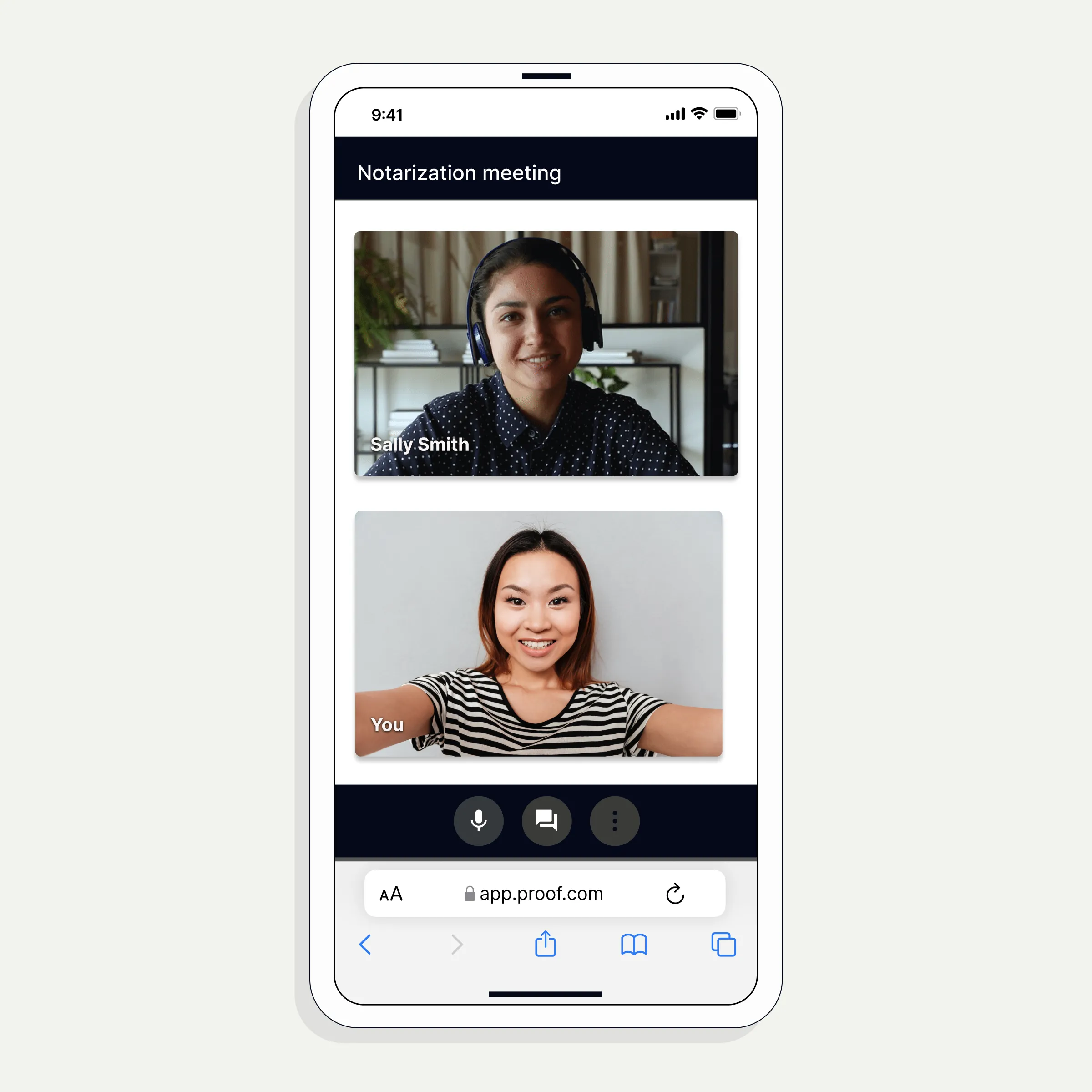
A notary public (or notary, or public notary) is tasked with verifying the authenticity of your most important transactions. Their consent is often the final step in establishing power of attorney, closing on a home, or opening a retirement account.
So what is a notary public? Who are the people that stamp your documents, and what does it take to earn their (literal) seal of approval?
A notary public is a public official appointed by a state government to help deter fraud. Notary publics witness the signing of important documents and verify the identity of the signer(s), their willingness to sign the documents, and their awareness of the contents of the document or transaction.
These documents include:
Administering oaths and affirmations;Notary publics offer a legal service that impacts numerous institutions. Their responsibilities include:
The term “notary public” only refers to common-law notaries and should not be confused with civil-law notaries, which are lawyers who have passed their bar exam. A common-law notary who is not a lawyer is forbidden from providing legal advice.
Traditionally, those in need of notary services must first find a notary public and then travel to meet the notary in-person. This can cause tremendous cost, delay, and inconvenience to the customer, as they must find time in their schedule to visit the notary.
Notarize is shaking up the status quo by allowing you to legally notarize a document entirely online for the very first time. Our app holds a 4.9 out of 5 rating in the iOS App Store with over 2,000 reviews, and a 9.4 out of 10 rating on Trustpilot with over 450 reviews.
Remote online notarization with your schedule, not the other way around. To get your document notarized by a notary public, simply Download the Notarize Mobile App, or Connect with a Notary Online and follow these steps:
If you are a notary public and you're interested in helping clients across the country through our platform, we'd love to hear from you. If you're a business looking to improve how you collect notarizations from your customers, we've got you covered with Notarize for Business.
Ready to get your documents notarized? Visit Notarize to get started.
